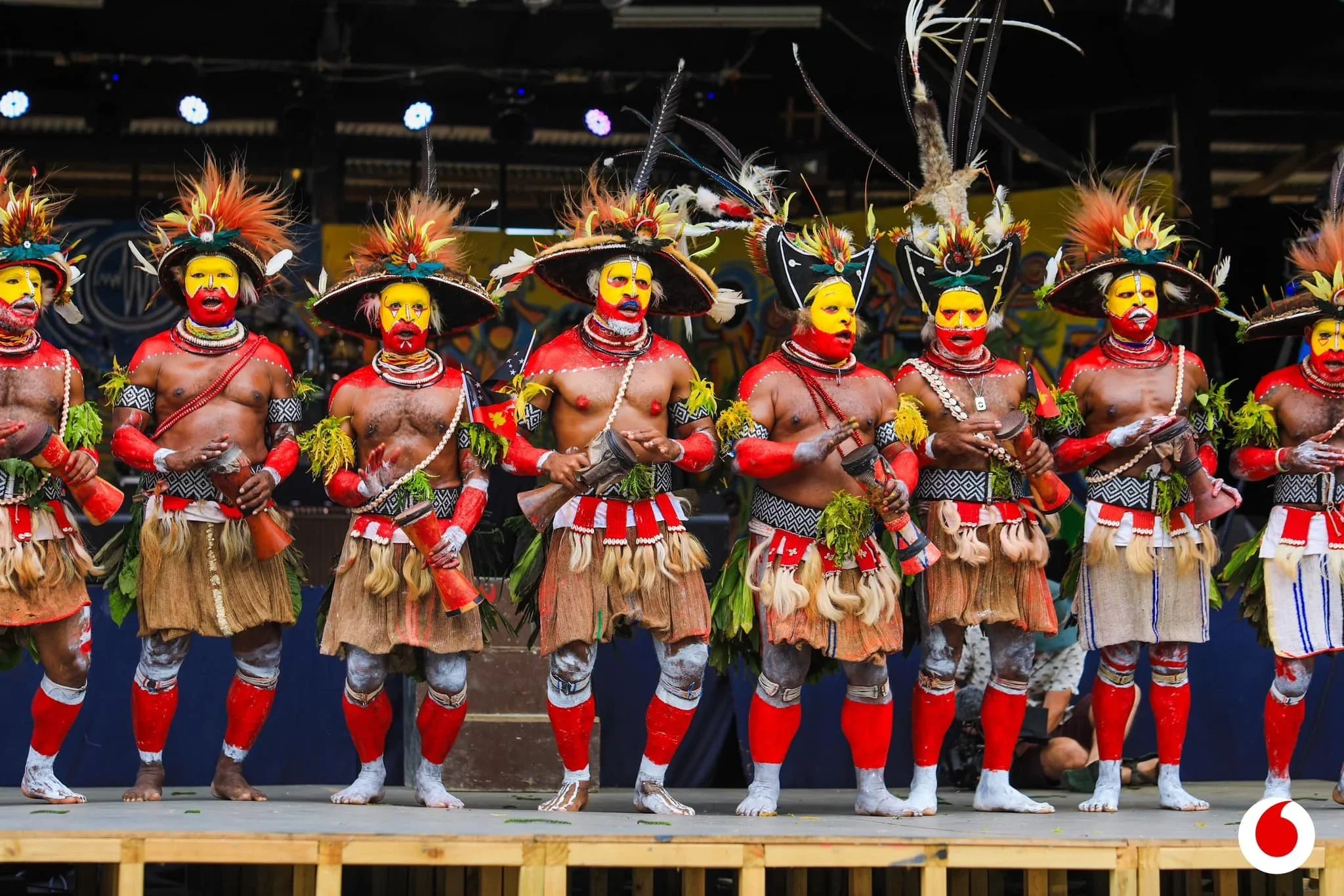
Understanding Melanesia
Key insights into the cultures, lands, and communities of Melanesia.
Why Melanesia Matters ?
Melanesia is one of the world’s most culturally, linguistically, and biologically diverse regions. Its peoples carry some of humanity’s oldest histories, deepest ancestral ties, and strongest community traditions.
This is the world Melanesian Women Today serves, uplifts, and amplifies.

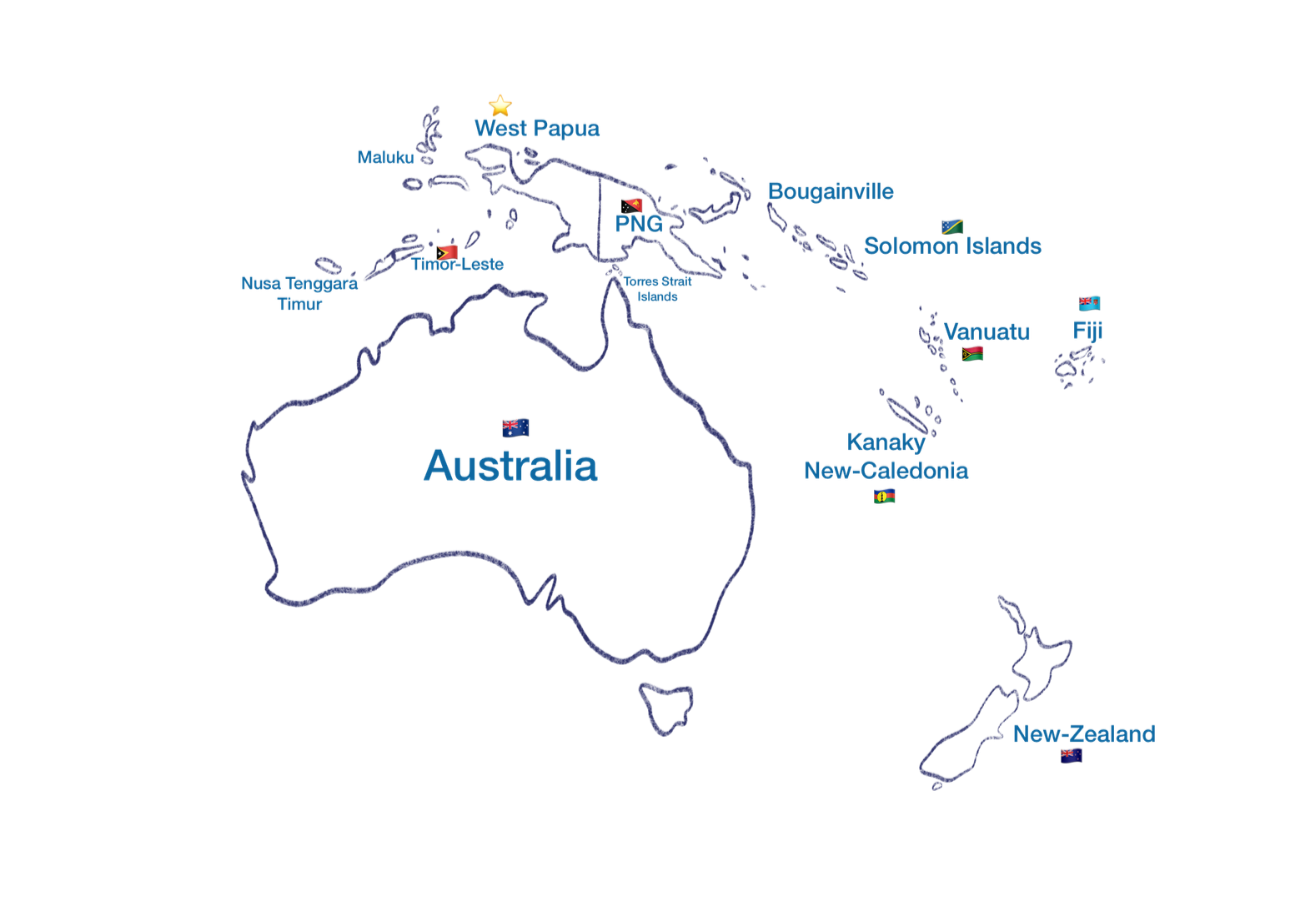
Melanesian Women Today focuses on the Indigenous peoples of Papua New Guinea, Solomon Islands, Vanuatu, Fiji, and Kanaky New Caledonia, with cultural and historical ties extending to West Papua, Timor-Leste, Maluku, and Nusa Tenggara Timur.
Who Are The Melanesians ?
Vanuatu -
Kanaky -
Solomond Islands -
Fiji -
Papua New Guinea -
Timor Leste -
West Papua -
Nusa Tenggara Timur -
Maluku -
Vanuatu - Kanaky - Solomond Islands - Fiji - Papua New Guinea - Timor Leste - West Papua - Nusa Tenggara Timur - Maluku -
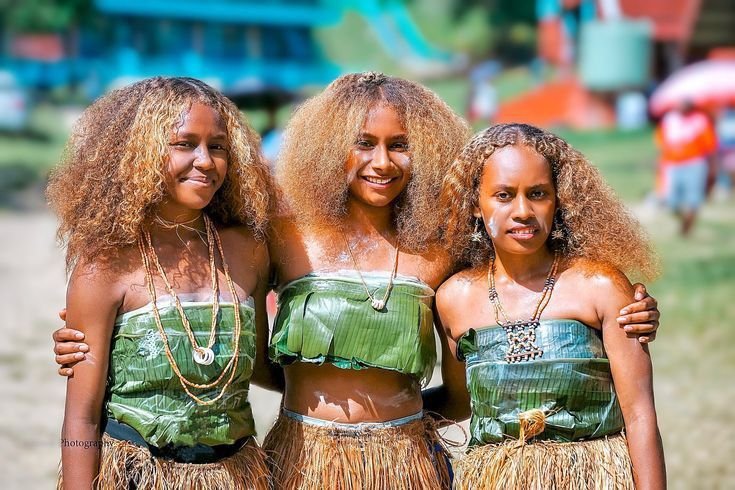
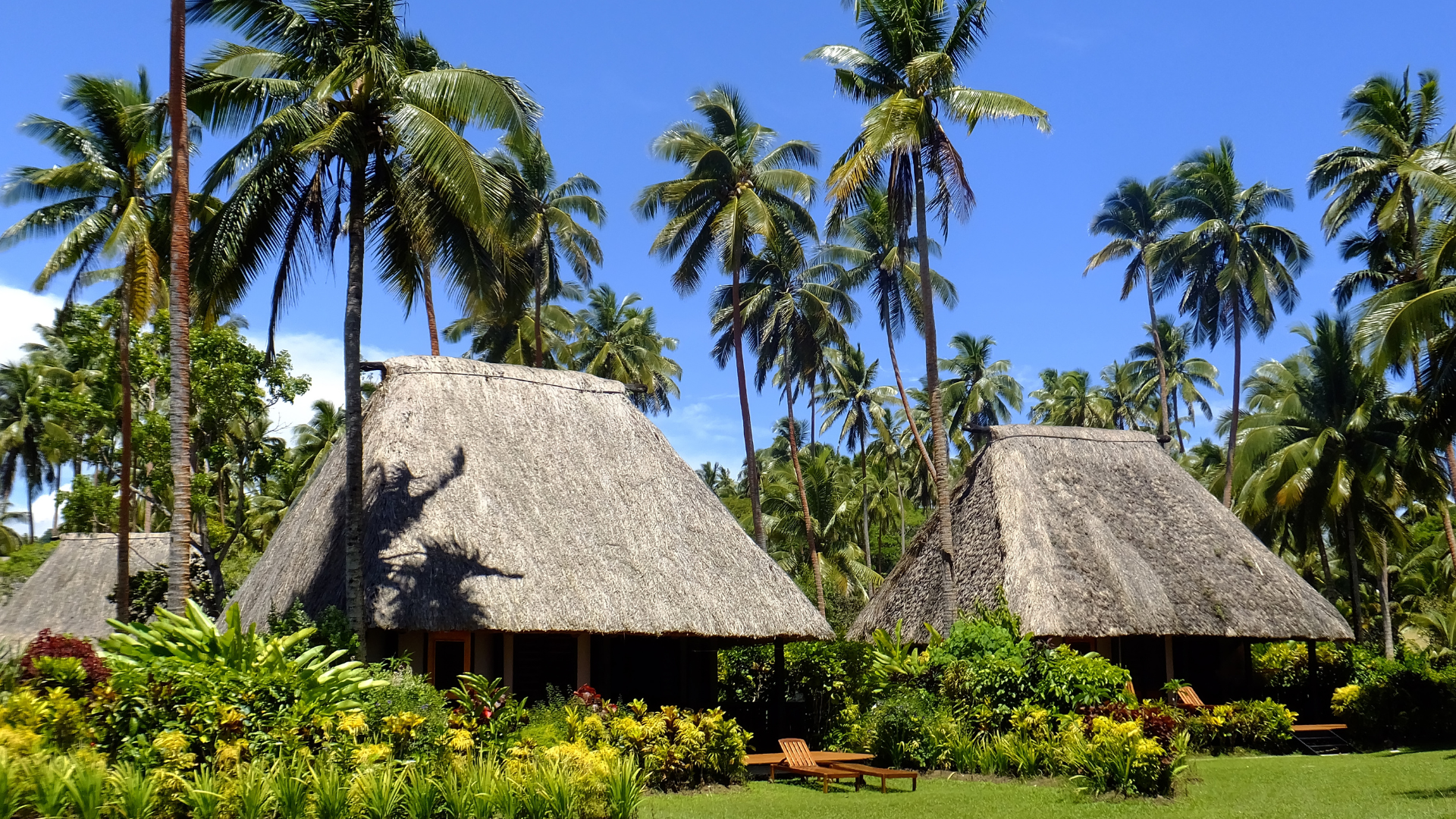
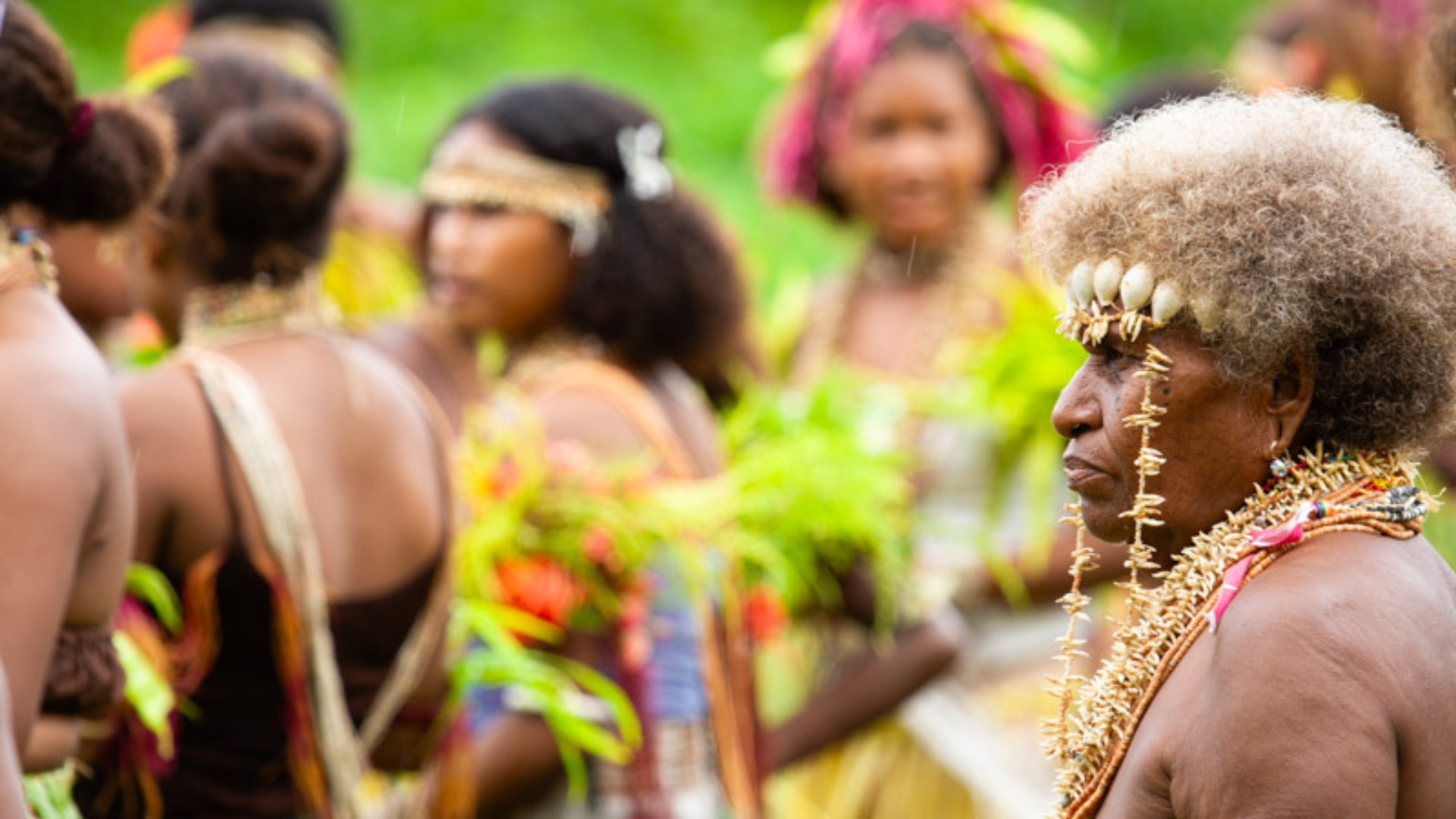
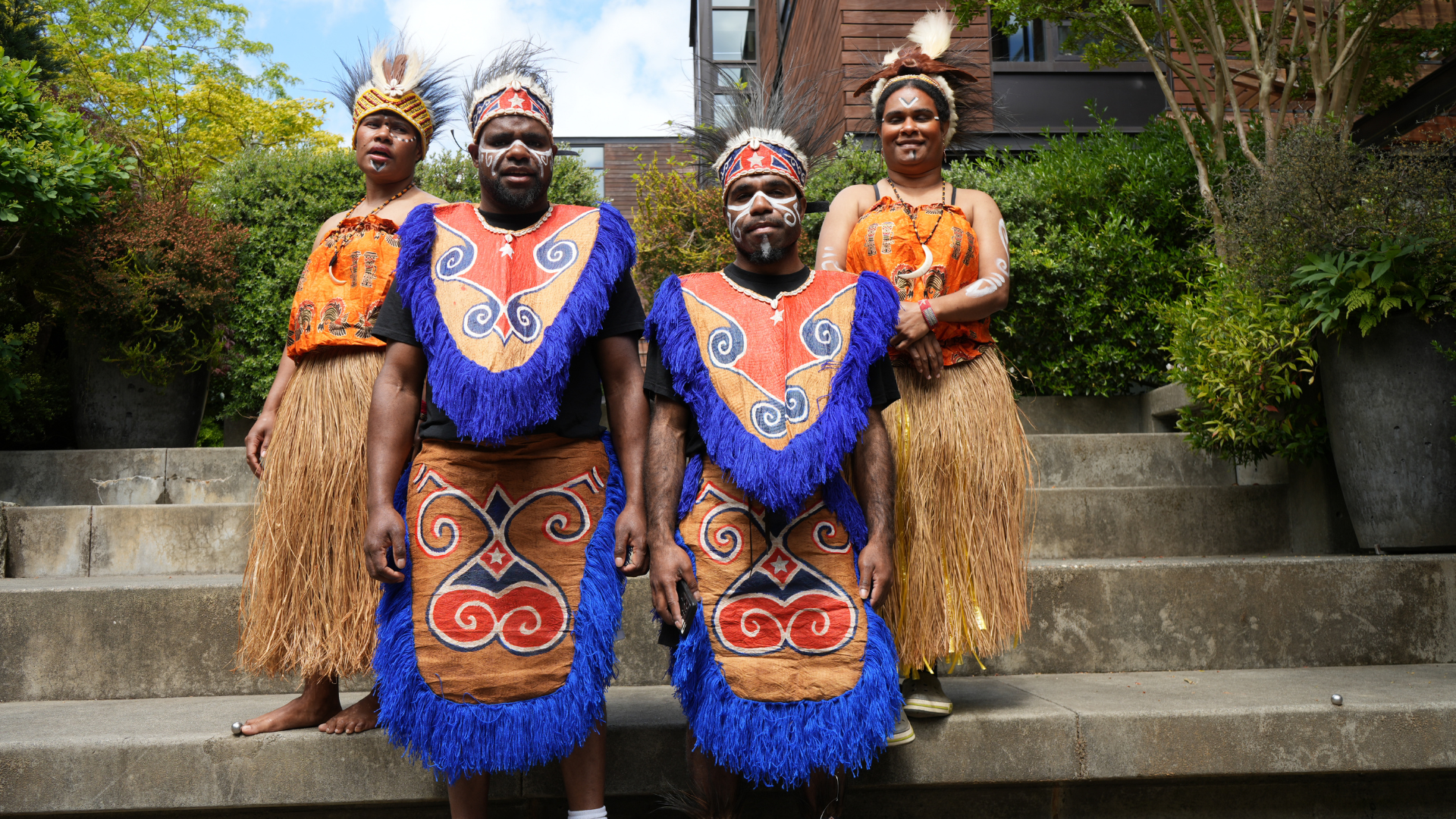
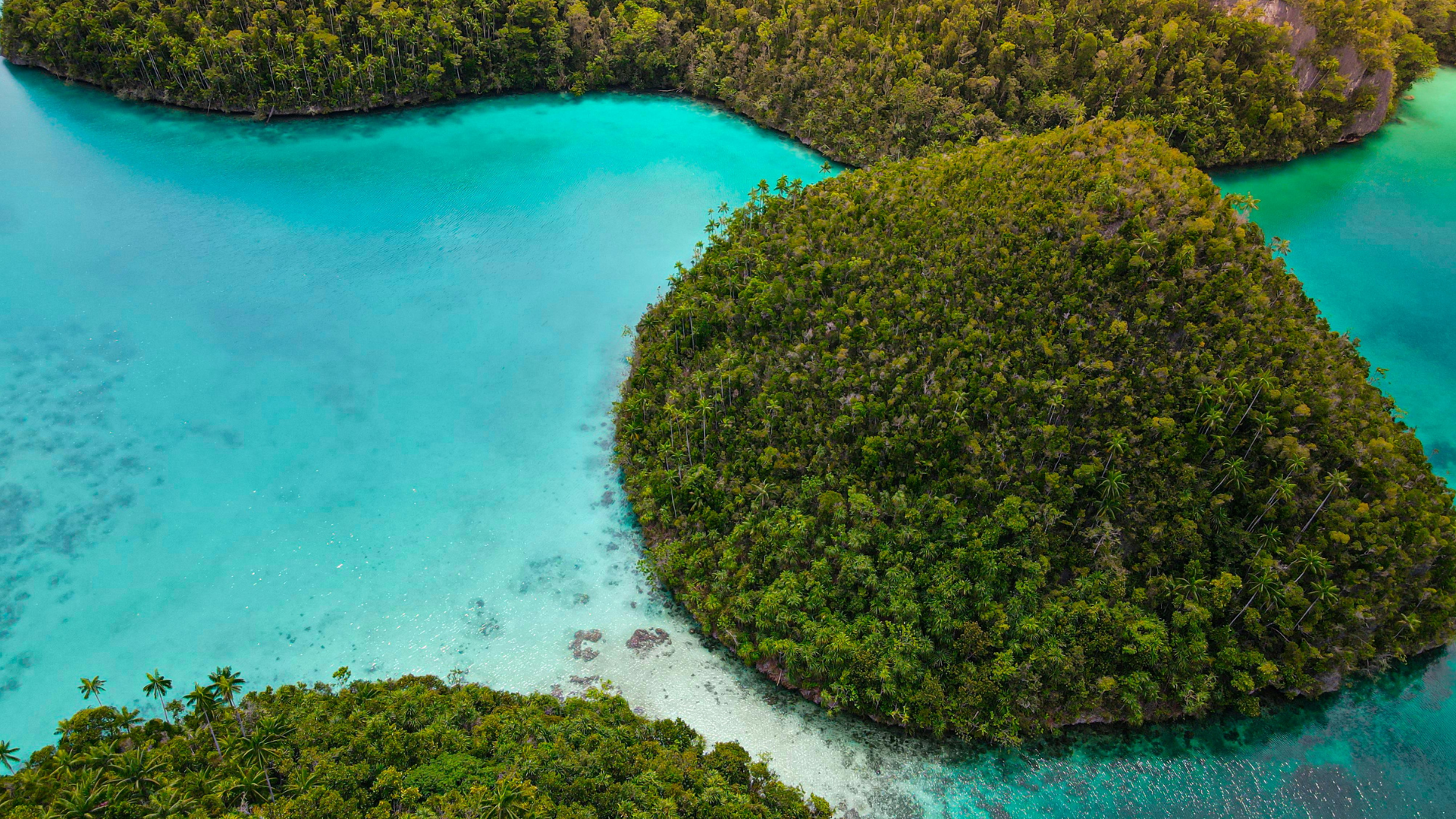
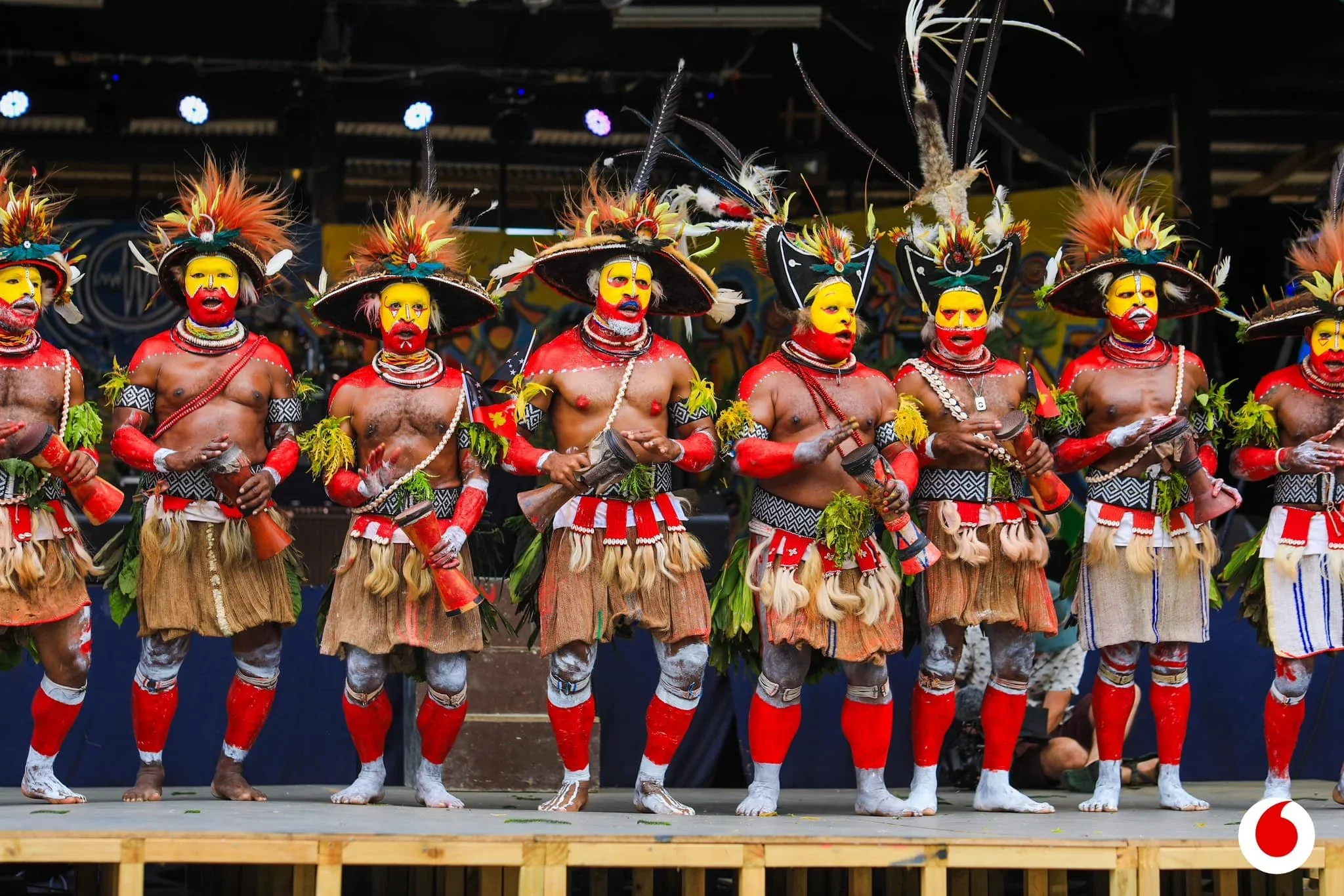
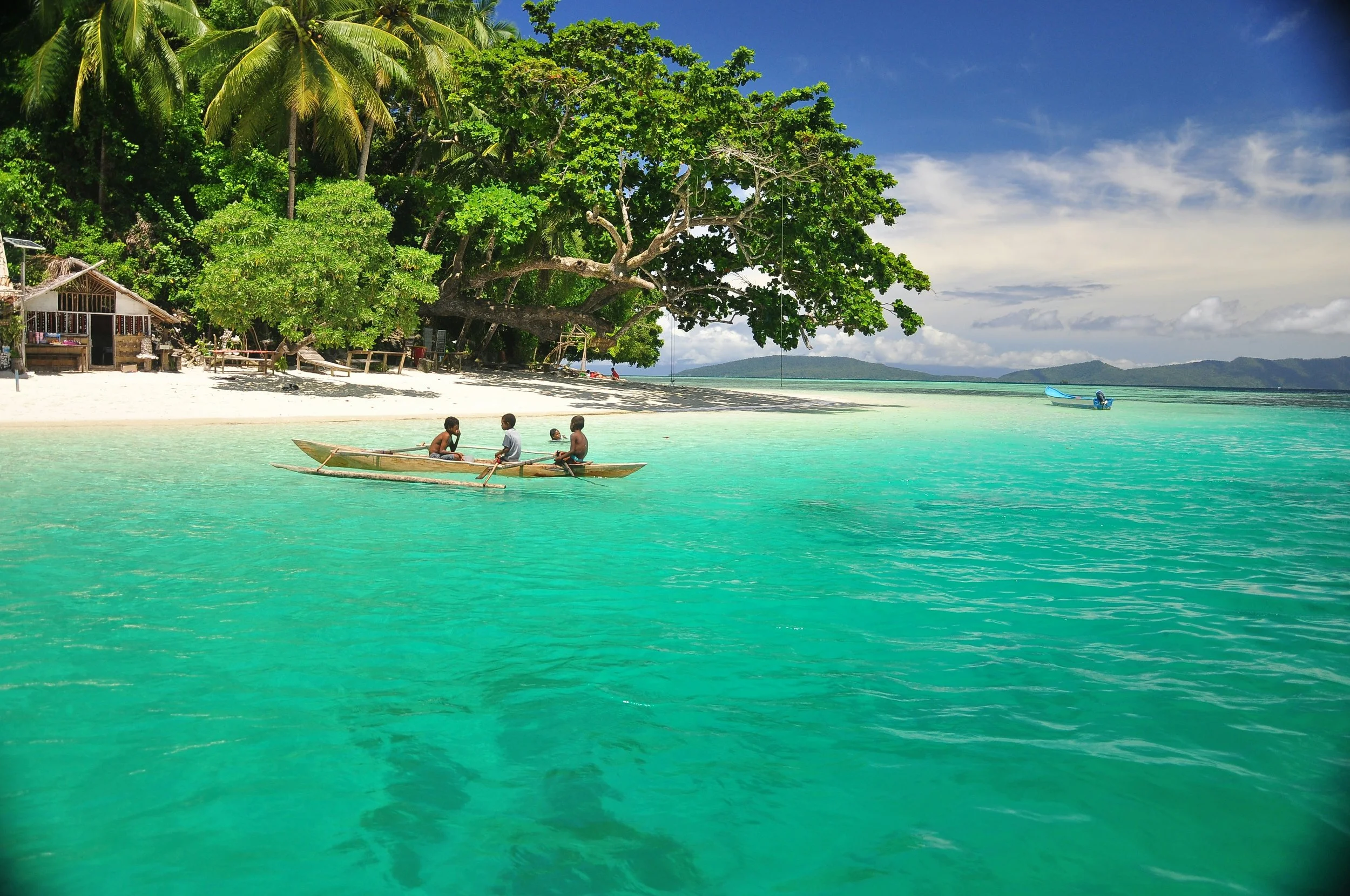
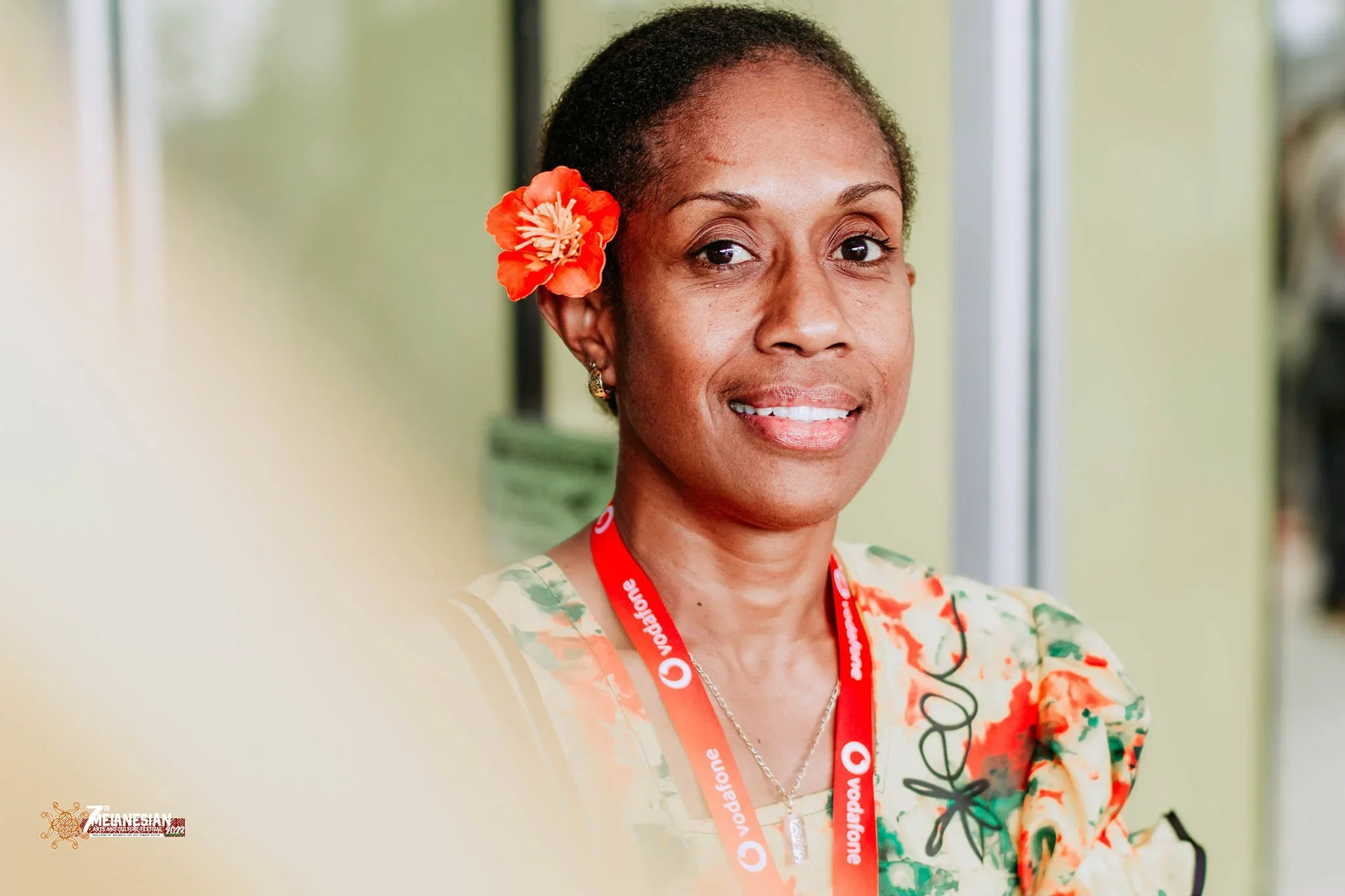
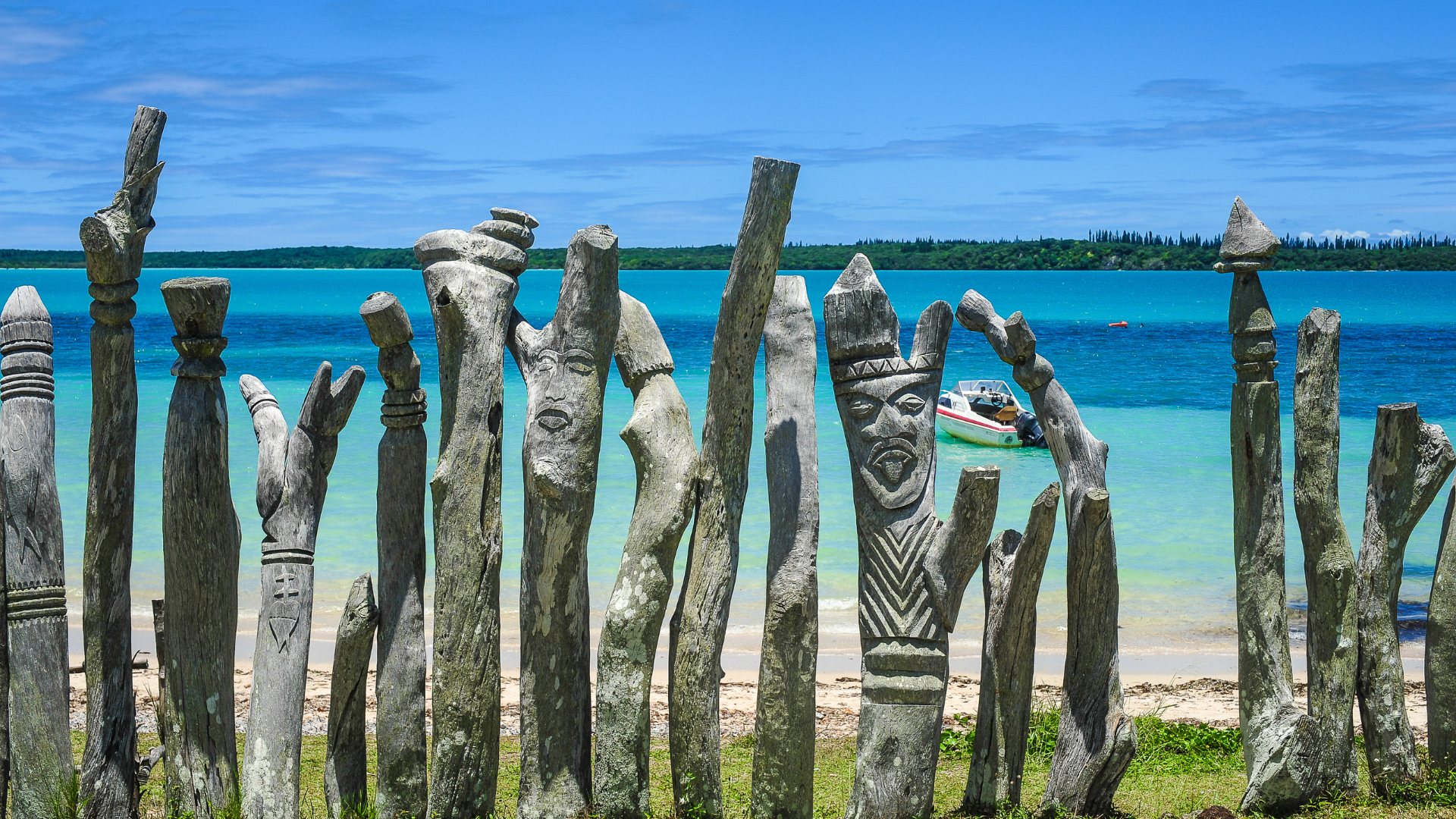
Melanesians are the Indigenous peoples of the southwest Pacific. The name comes from Greek melas (“black”) and nesoi (“islands”).
Melanesia stretches from New Guinea across Solomon Islands, Vanuatu, Fiji, and Kanaky–New Caledonia. Some territories—West Papua and Kanaky–New Caledonia—continue to fight for independence.
Timor-Leste, though geographically in Southeast Asia, maintains strong Papuan and Melanesian cultural roots and holds observer status in the Melanesian Spearhead Group (MSG).


Earliest settlement (65,000–50,000 years ago): Modern humans reached Sahul (Australia + New Guinea) early in global migration, making Melanesia one of the first Pacific regions inhabited.
Papuan ancestry: Ancient Papuan-speaking communities predate Austronesian arrivals and remain present in eastern Indonesia and Timor-Leste.
Austronesian expansion (3,500–2,500 years ago): Introduced new crops, outrigger canoes, navigation, and the Lapita pottery culture.
Early agriculture (10,000 -7,000 BP): Archaeological evidence from Kuk Swamp in the New Guinea highlands shows forest clearing and early taro cultivation beginning around 8000 BCE. By 5000 BCE, local communities developed systematic mounded farming, domesticating taro, yam, banana, and sugarcane—making Melanesia one of the world’s earliest independent agricultural centers.
Where Papuan Roots Meet Austronesian Seas: The Deep Story of Eastern Indonesia & Timor‑Leste
Eastern Indonesia and Timor‑Leste form one of the Pacific’s most ancient cultural frontiers, where Papuan-speaking communities like Fataluku, Makasae, Makalero, and Bunak preserve traditions that long predate Austronesian arrival. Around 3,500–4,000 years ago, Austronesian voyagers swept into the region, sparking centuries of intermarriage, language blending, and cultural fusion.
Today, Timor‑Leste stands at the crossroads of Maritime Southeast Asia and Melanesia, with Papuan clan rituals, ancestral worship, and even shell‑money‑like exchanges still alive in eastern communities. Its role as an observer in the Melanesian Spearhead Group underscores these enduring ties — a living testament to the region’s layered history where ancient Papuan heritage and Austronesian innovation continue to shape identity.
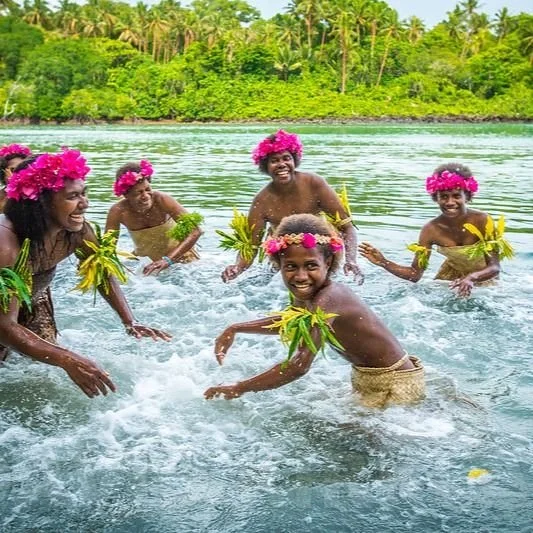
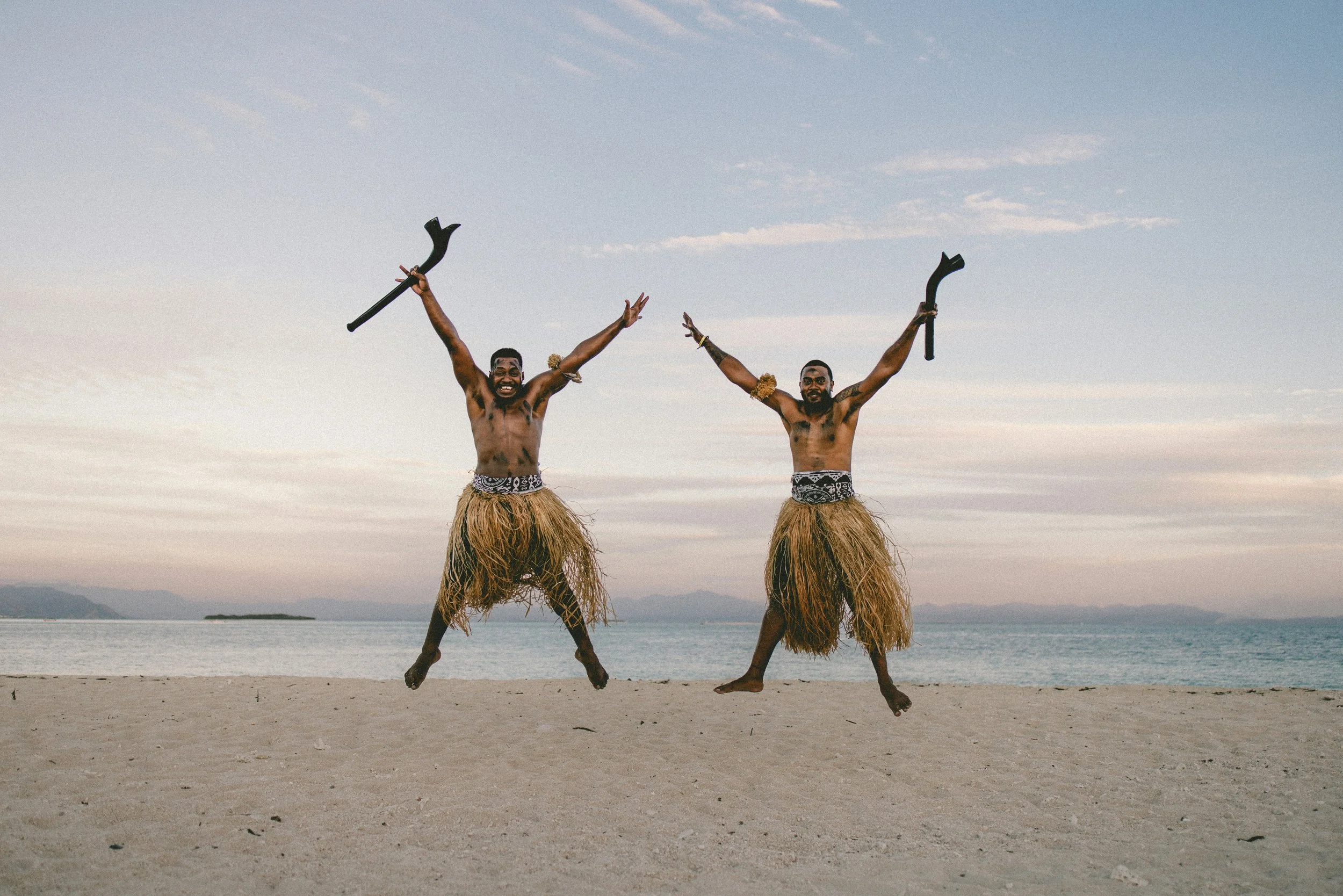
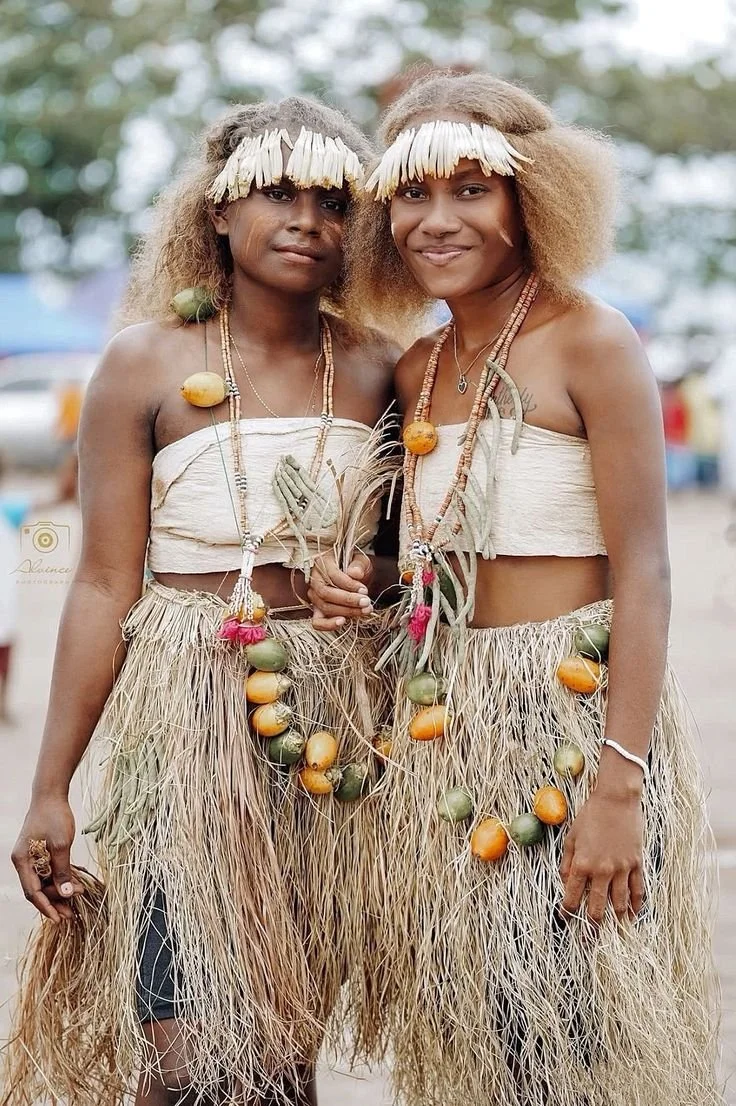
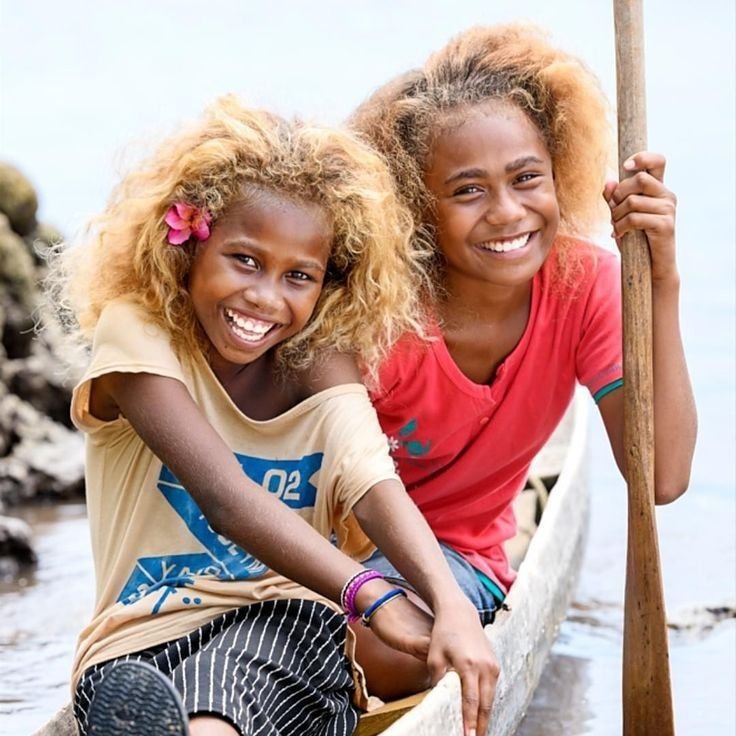
Melanesians from some islands are among the few non-European peoples with naturally blond hair, caused by the TYRP1 gene.
Melanesians carry an additional 383,000 base pairs of DNA that appear to have originated in Denisovans. It was introduced into the genome of the ancestral Melanesian population some 60,000 to 170,000 years ago.
Melanesians carry a notably high proportion of Denisovan DNA, estimated at around 3–5% of their genome, reflecting ancient interbreeding between modern humans and Denisovans tens of thousands of years ago (Reich et al., 2011; Prüfer et al., 2014). This archaic genetic contribution is one of the factors that make Melanesians genetically distinct.Melanesians, Polynesians, and Micronesians share a genetic link due to a common ancestry and migrations within the Pacific region. Some Island Melanesian groups share genetic ancestry with Polynesians and Micronesians, especially those speaking Austronesian languages.
Cultural & Genetic Uniqueness
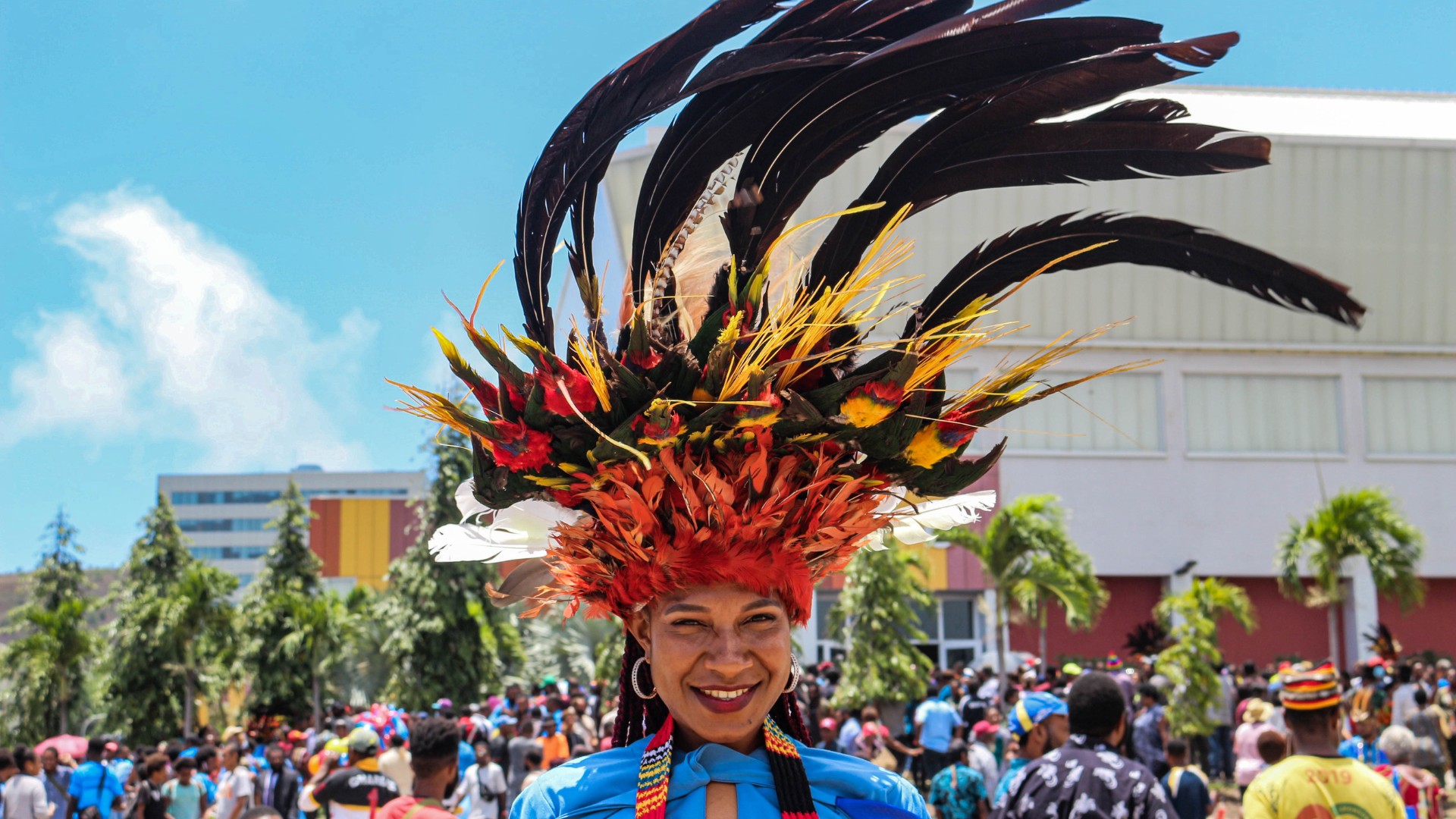
Language & Cultural Diversity
Melanesia is the most linguistically diverse region on Earth, with 1,293+ languages.
Papua New Guinea: over 800 languages (10% of the world’s total).
Vanuatu: highest number of languages per capita.
A rich blend of Papuan and Austronesian cultures.
Main Melanesian Pidgin languages:
Tok Pisin (PNG)
Bislama (Vanuatu)
Pijin (Solomon Islands) These are full creole languages with deep oral traditions.
Environment & Biodiversity
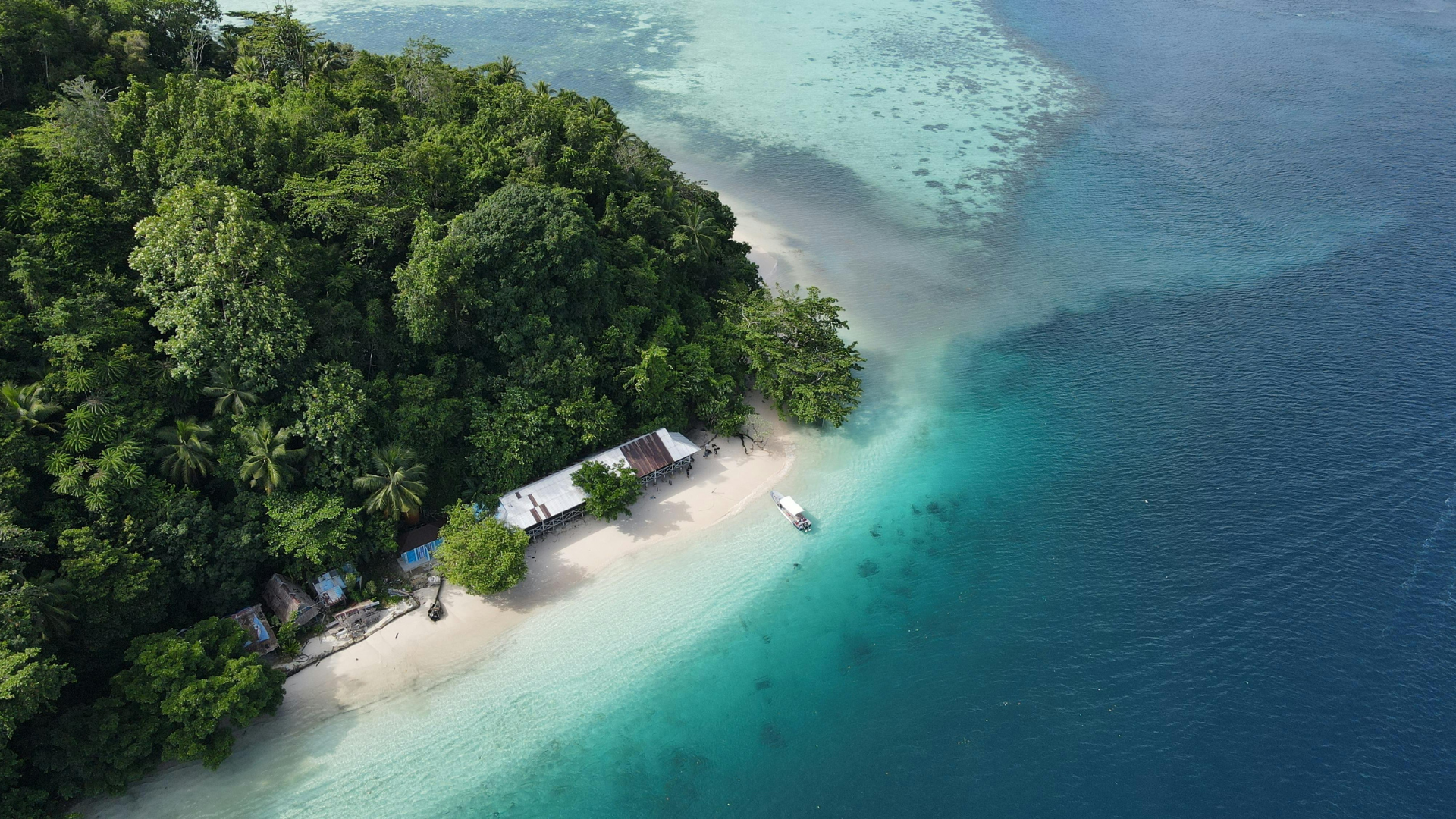
Melanesia is one of the world’s great ecological hotspots:
7% of global biodiversity (PNG alone)
Part of the Coral Triangle
Home to the third-largest rainforest
Over 2,000 islands across nearly 1 million km²
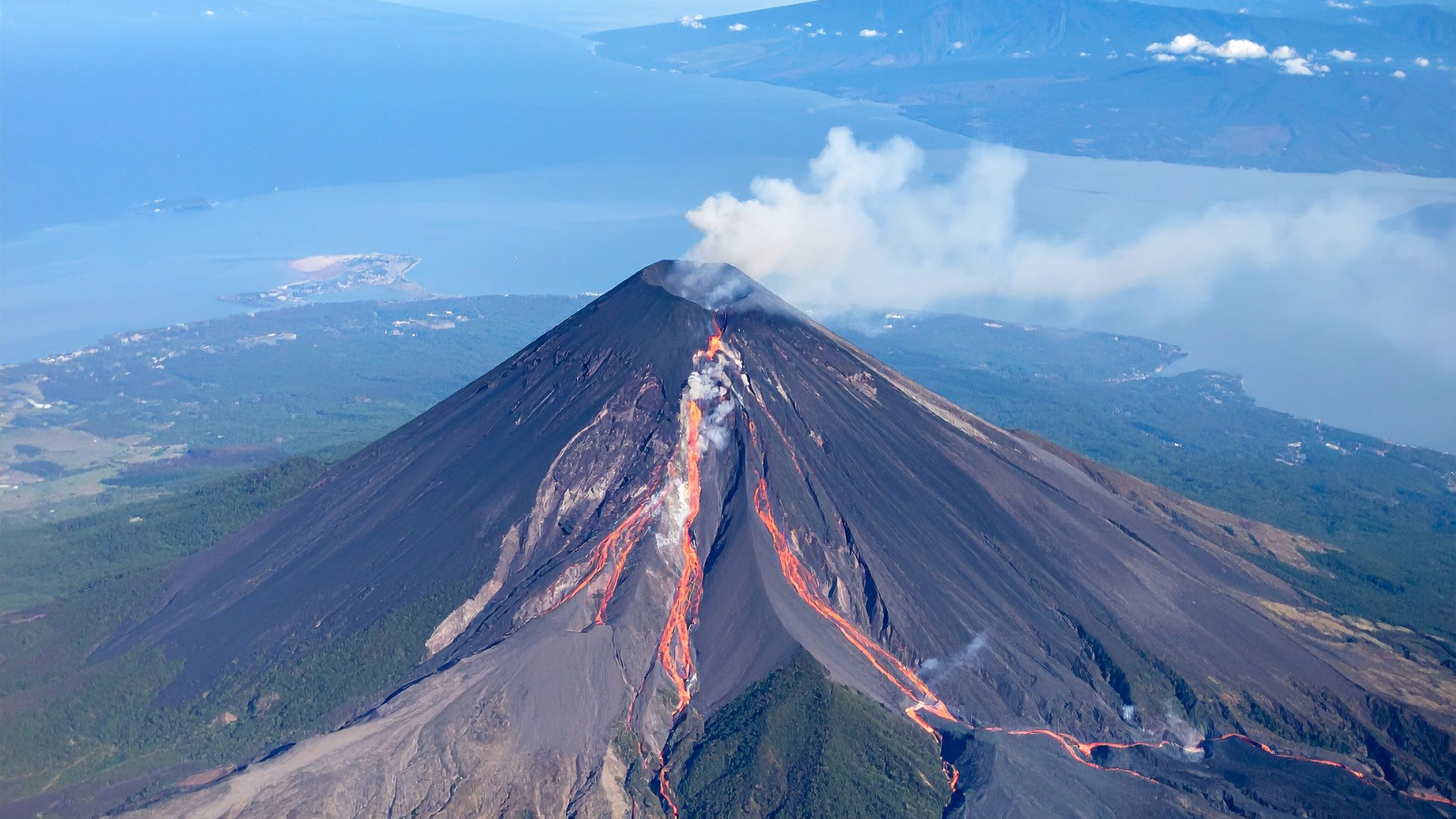
The region lies along the Pacific Ring of Fire, facing earthquakes, volcanic eruptions, and tsunamis.
Society, Beliefs & Arts
Traditional societies are rooted in kinship ties and community-based living.
Spiritual beliefs center around ancestors, spirits, and balance with nature.
While Christianity is dominant today, many traditional beliefs coexist or have been blended with modern faiths.
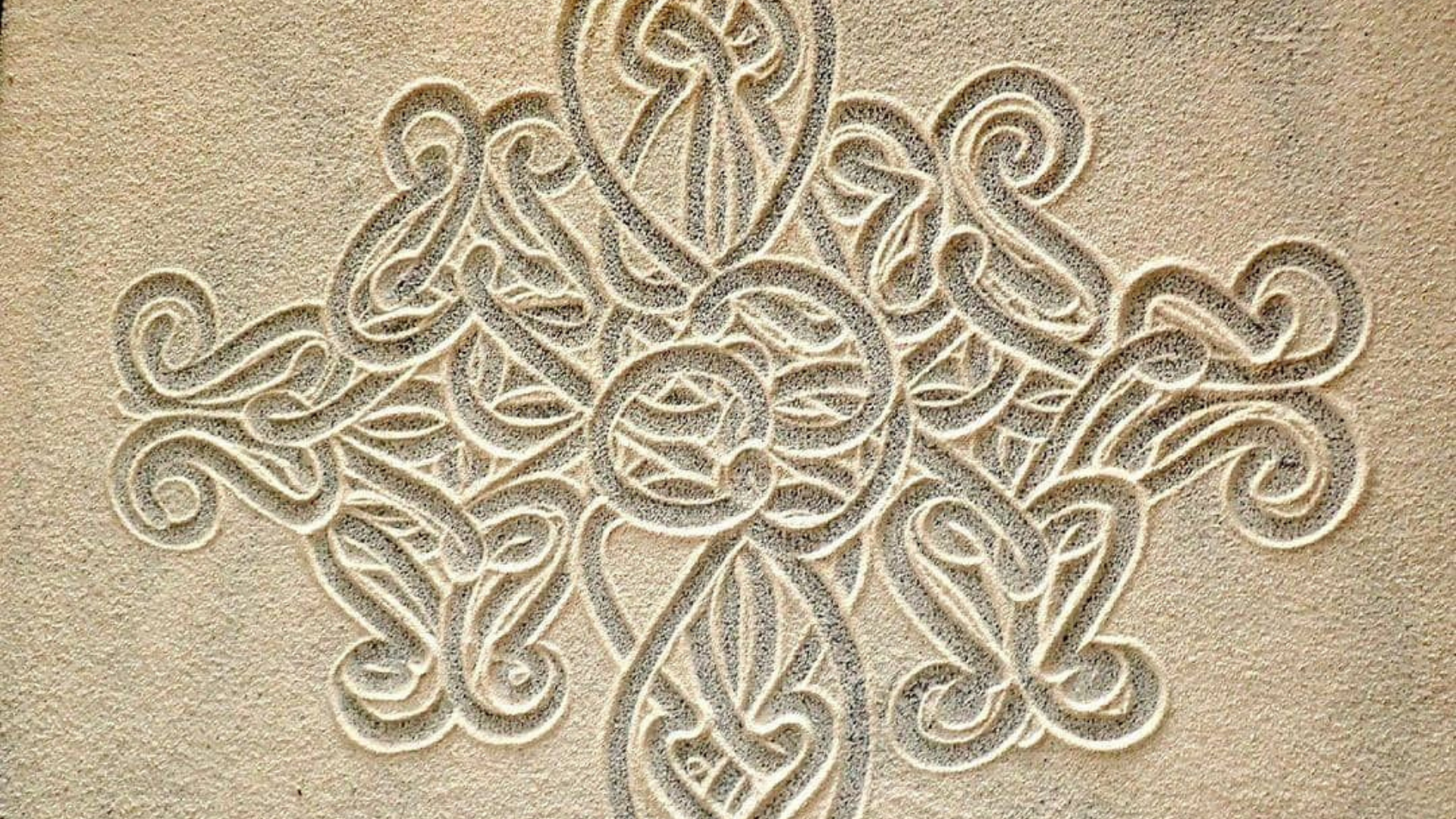
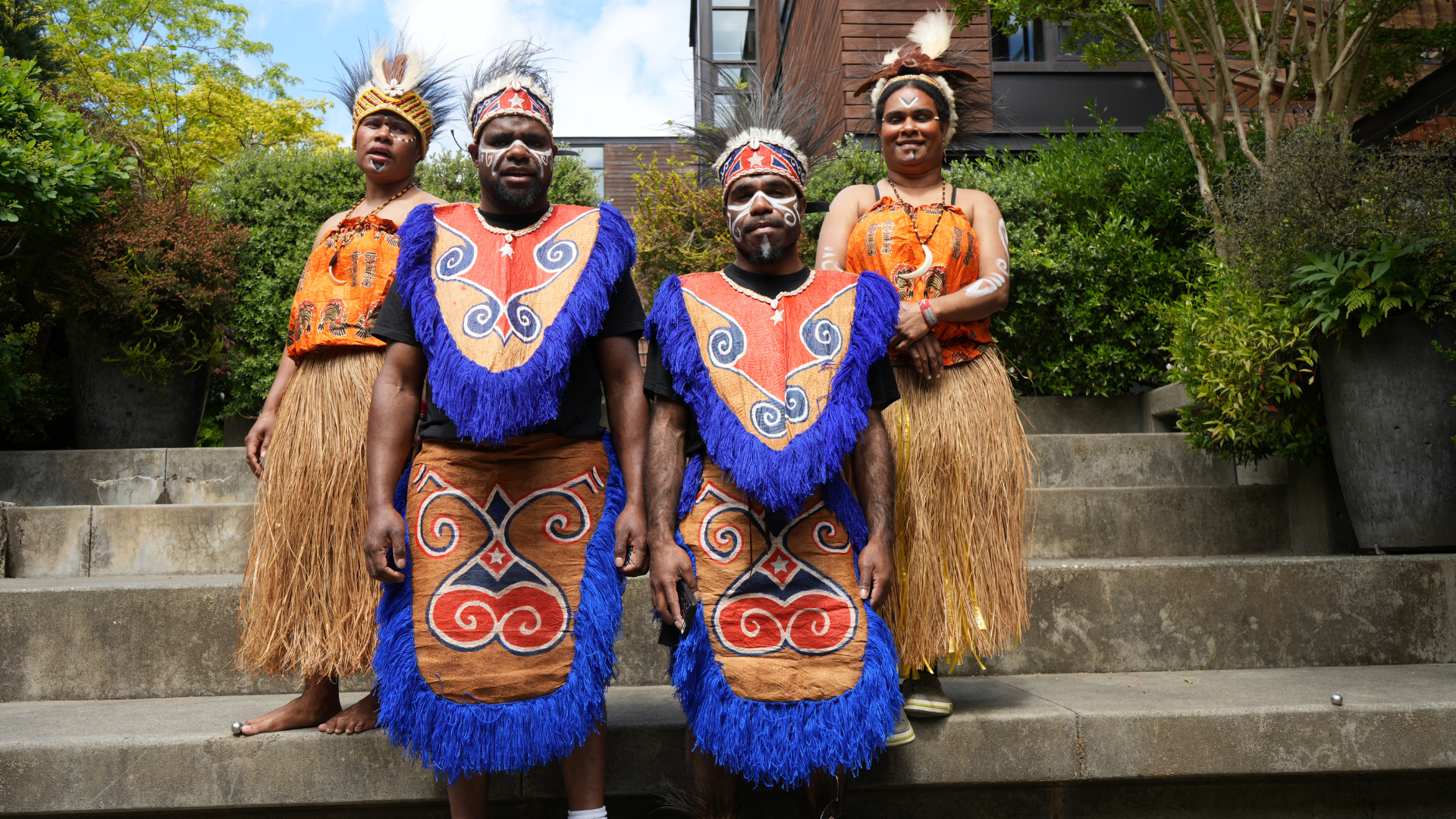
Rich artistic heritage: carving, tattooing, weaving, dance, storytelling
Colonial History & Modern Identity
Colonization reshaped languages, religions, and economies. Today, Melanesian communities navigate development challenges while actively preserving culture, language, and identity.
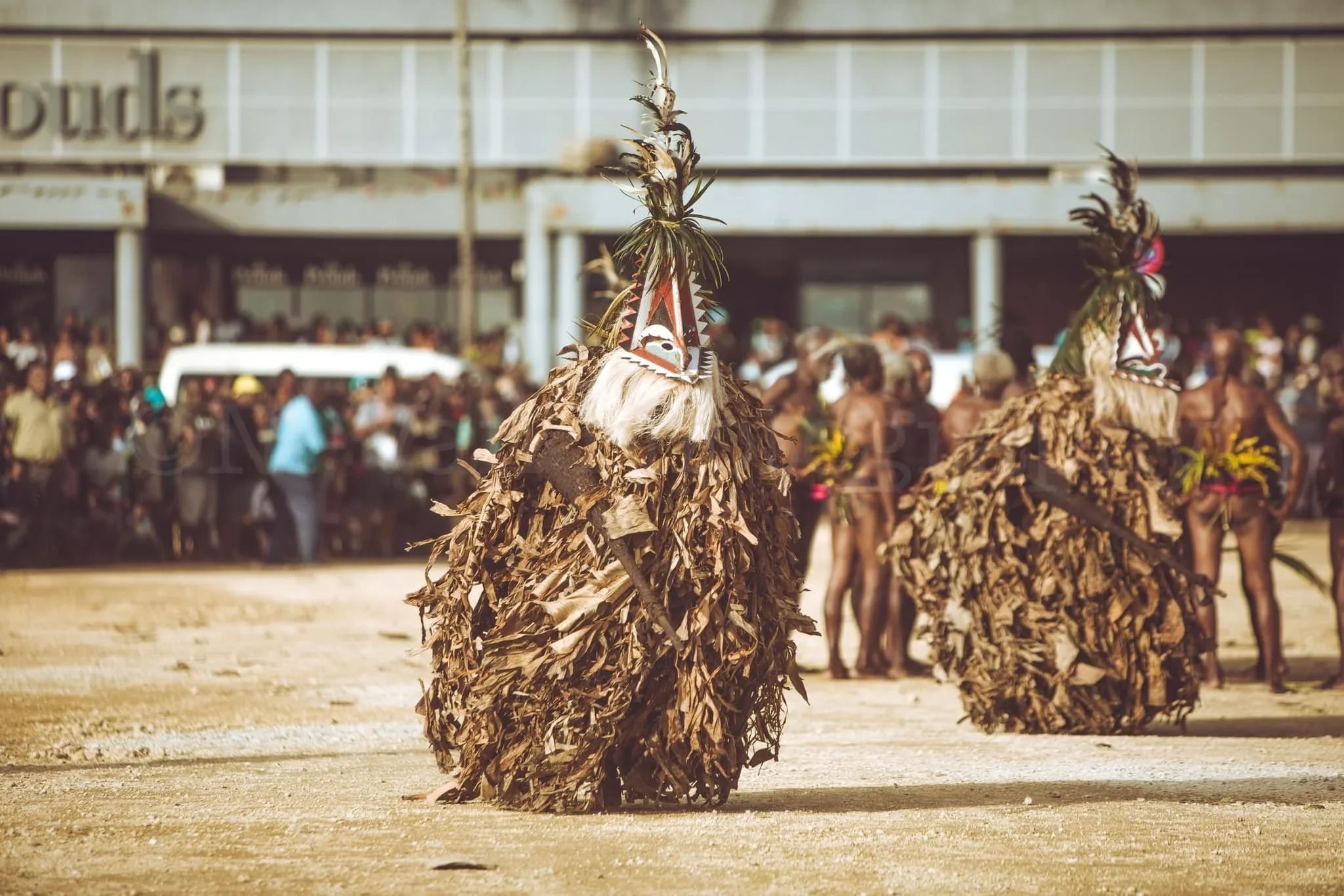
The Melanesian Way—community, reciprocity, and respect—continues to evolve through regional cooperation (MSG) and cultural festivals like MACFEST: These spaces celebrate a flexible, lived identity that adapts from village to nation, from ancestral traditions to modern diplomacy.
Today, Melanesia embodies a dynamic tension between political unity and cultural diversity :