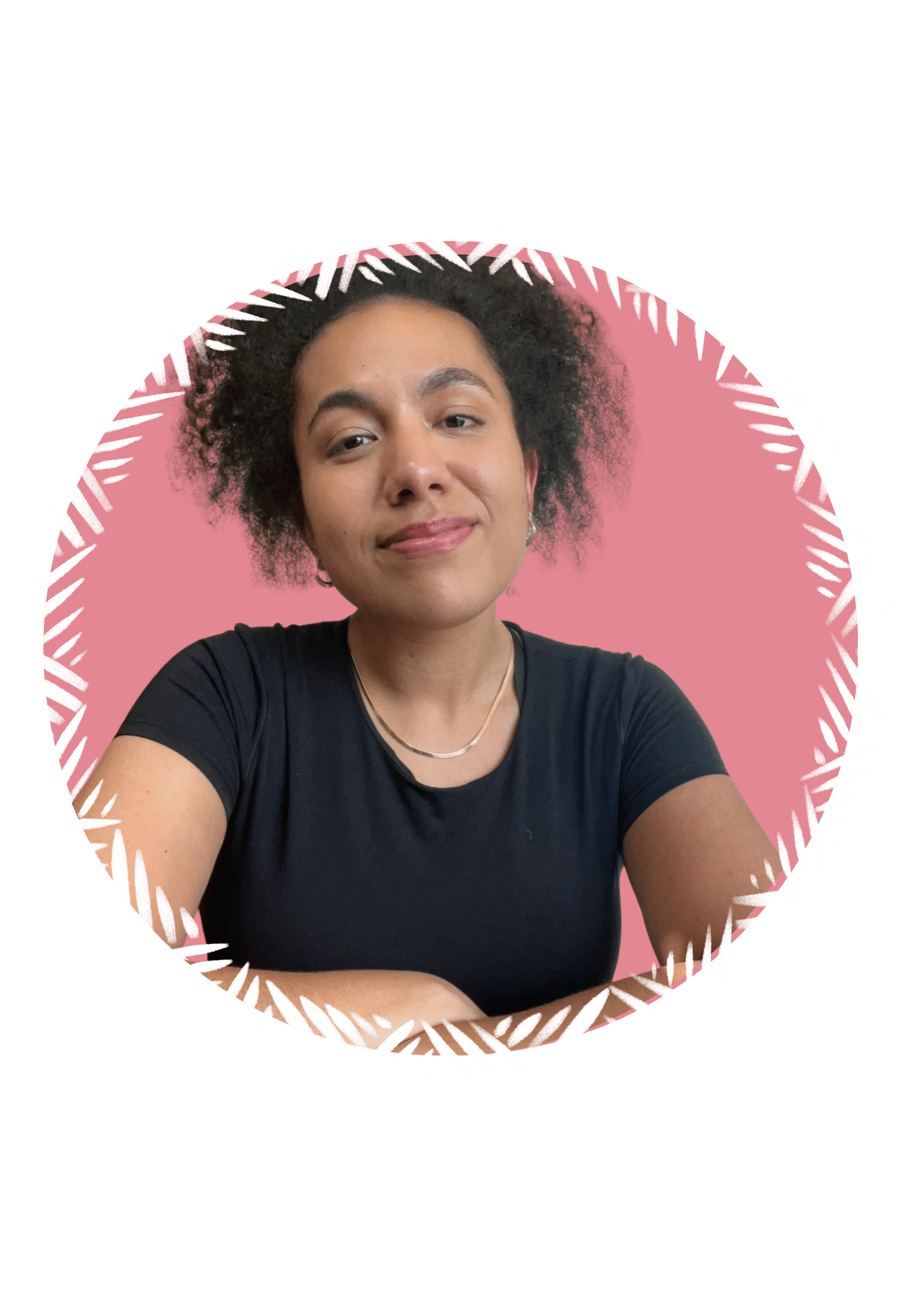
Gabrielle Rose Qwenako Tor is a proud Ni-Vanuatu American woman with a deep-rooted passion for promoting holistic health and well-being within minority communities. Growing up immersed in her family's rich heritage, Gabrielle developed a strong connection to her Melanesian roots, inspiring her to actively pursue opportunities to uplift and empower her people.
With a Bachelor of Science degree in Psychology and currently pursuing a master's degree in Applied Clinical Psychology, Gabrielle's academic journey has equipped her with a profound understanding of the complexities surrounding mental health in ethnic communities. Her elective coursework in ethnic studies and politics has further fueled her curiosity about the interplay between societal dynamics and psychological well-being.
Gabrielle's dedication to addressing the health disparities faced by Melanesian populations is evident in her research endeavors. Collaborating with esteemed professionals like Dr. Lisa Christiansen and Dr. Jimmy Obed, she presented a groundbreaking project titled "Pacific Islander Clients: Clinical Considerations" at the Association for Behavioral and Cognitive Therapies. Her contributions extend beyond academia, as she has decided to share her insights on Melanesian Women Today's podcast "Riding the Wave" a program on Mental Health.
Gabrielle Tor
Health Team Lead
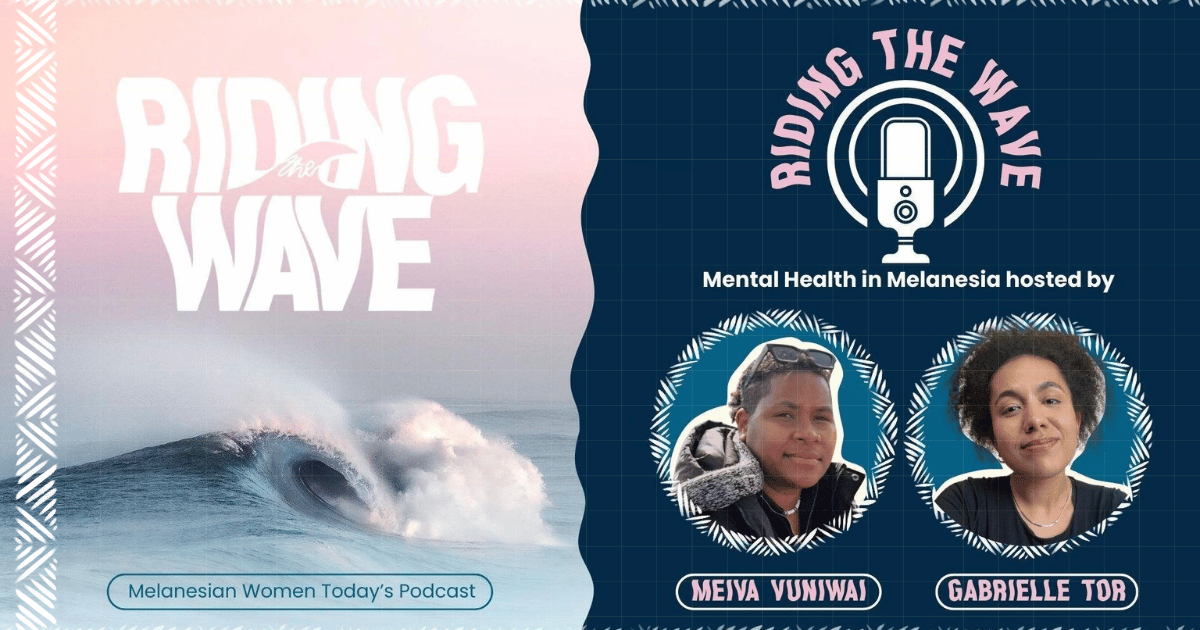
Recognizing the significant gap in health considerations for Melanesian communities, especially among women and girls, Gabrielle is committed to advocating for their voices to be heard. Her long-term goal of obtaining a PhD in clinical psychology reflects her unwavering dedication to empowering minority communities to prioritize their mental well-being.
As a member of the board of Melanesian Women Today, Gabrielle is poised to make meaningful contributions towards promoting holistic approaches to health and well-being among her people. She sees her role as an opportunity to amplify the voices of Melanesian women and girls, ultimately contributing to the prosperity and empowerment of their communities.